Curators: The Storytellers and Leaders
Curators are the cornerstone of SIDINL Newsletters. They are community members who act as both storytellers and leaders of the online newsletters, crafting and presenting narratives that reflect the realities of their local environments. Each curator brings their unique perspective, carefully selecting and shaping stories as an artist or museum curator would assemble an exhibition—only this time, the exhibition is of human experiences.
Who Are the Curators?
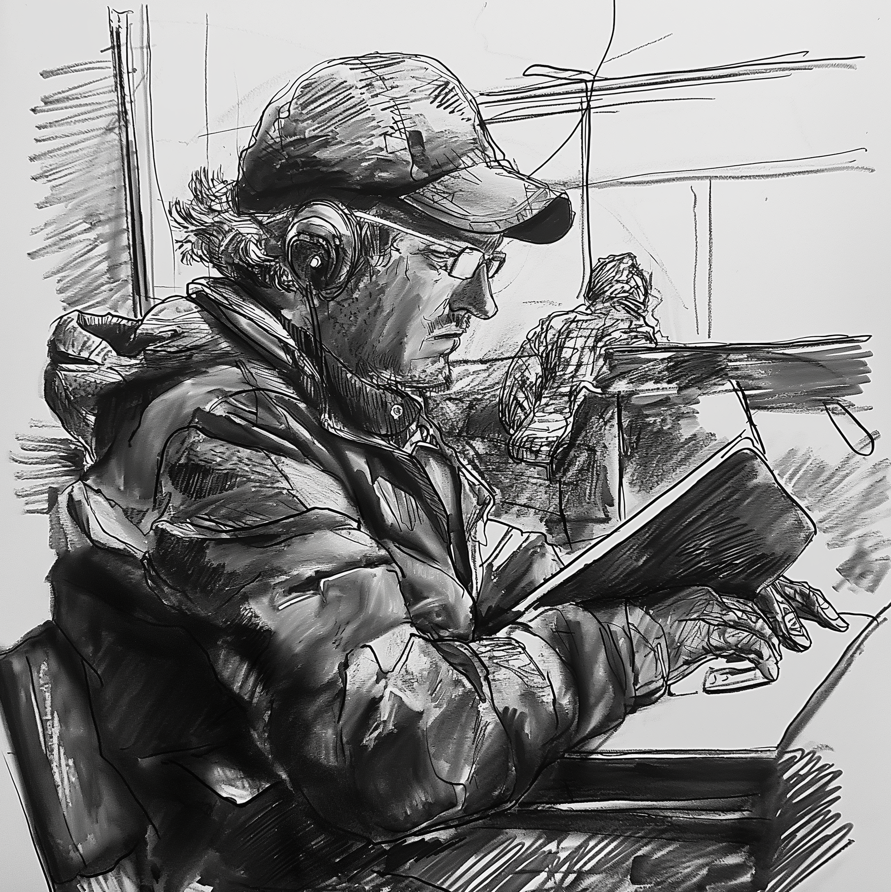
Curators are individuals deeply embedded in their communities, often with lived experiences or expertise in the topics they explore. They come from diverse backgrounds, including:
- Activists documenting social struggles.
- Educators preserving local cultural traditions.
- Community organizers addressing environmental challenges.
- Immigrants sharing stories of integration and identity.
Example:
A curator from Kraków, Poland, is a former coal miner who now leads a newsletter on sustainable transitions in mining towns. His personal connection to the industry and deep understanding of the community’s struggles enable him to authentically portray the challenges and opportunities faced during this economic shift.
What Do Curators Do?
Curators play a multifaceted role in the newsletters:
Crafting Stories:
- They carefully select topics that resonate with their communities, often focusing on underrepresented issues such as rural depopulation, housing inequality, or cultural resilience.
- Stories are presented with depth and sensitivity, reflecting the nuances of community life.
Facilitating Dialogue:
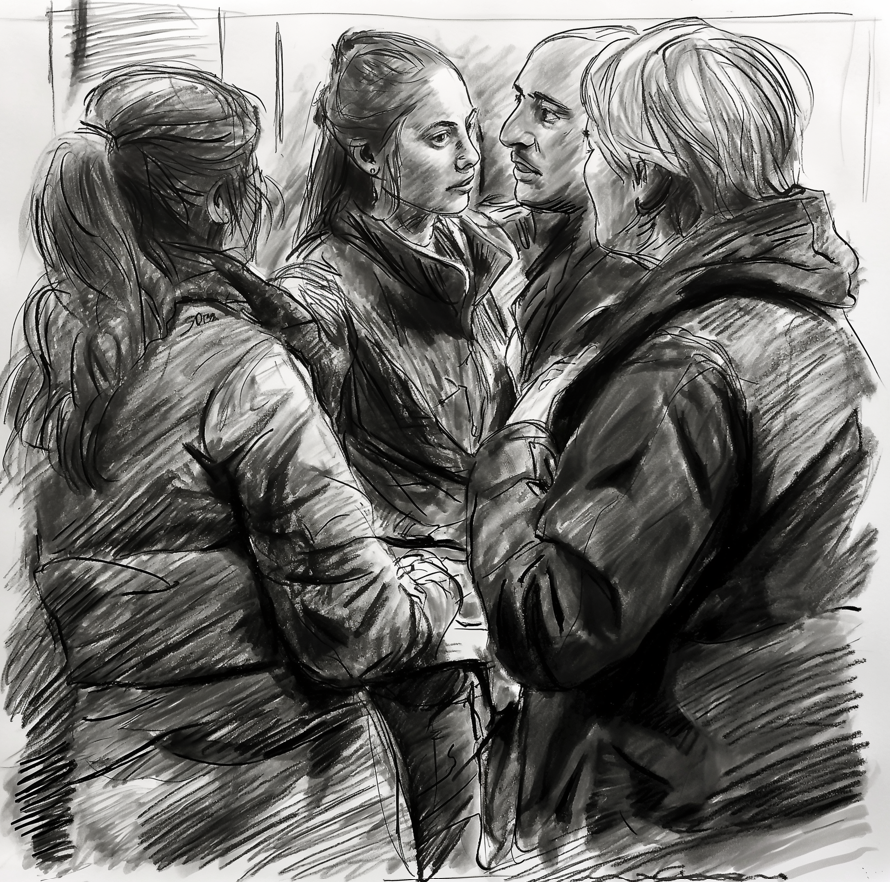
- Curators lead discussions within the newsletter’s private online groups, engaging with both their communities and the external audience.
- They encourage participation, answer questions, and foster meaningful exchanges of ideas.
Conducting Participatory Research:
- Curators initiate and lead citizen participation in social research, involving their communities in collecting data, identifying local issues, and brainstorming solutions.
- They transform the storytelling process into a collaborative research effort, empowering citizens to actively shape the narratives and outcomes.
Example:
In a newsletter from Lisbon, Portugal, a curator uses storytelling to highlight the struggles of immigrant workers in the hospitality industry. Through interviews, journal entries, and visual content, she illustrates their resilience and collective efforts to advocate for better labor rights.
How Are Curators Chosen?
Curators are selected by the central SIDINL monitoring team, which identifies individuals with the passion, knowledge, and commitment to lead newsletters effectively.
Criteria for Selection:
- Deep ties to their community and a nuanced understanding of its dynamics.
- Proven ability to document and communicate stories authentically.
- Willingness to engage with audiences and maintain long-term discussions.
- Capacity to lead participatory research and engage citizens in collaborative problem-solving.
Selection Process:
- The SIDINL team uses personal networks or directly local referrals to identify potential curators.
- Candidates are interviewed with informal discussions to ensure alignment with SIDINL’s values of ethical storytelling and inclusivity.
Example:
A curator from Sofia, Bulgaria, was selected for her experience as a social worker in marginalized Roma communities. Her deep connection to the community and ability to share complex narratives with empathy and accuracy made her an ideal candidate.
Why Are They Called Curators?
The term “curator” emphasizes the intentional and meticulous process of storytelling within SIDINL Newsletters. Just as an art curator carefully assembles and presents works to tell a cohesive story, SIDINL curators:
- Select narratives that reflect their community’s challenges and triumphs.
- Shape stories to engage audiences while maintaining authenticity and sensitivity.
- Present their newsletters as “exhibitions of stories,” designed to inform, inspire, and foster dialogue.
- Involve citizens in shaping the stories, making the process collaborative and reflective of the community’s collective voice.
Example:
A curator from Cluj-Napoca, Romania, views her newsletter as a platform to exhibit the “art” of her community’s daily life. Through photos, interviews, and essays, she paints a vivid picture of rural youth returning to farming in innovative ways, blending tradition with technology.
Curators as Online Group Leaders
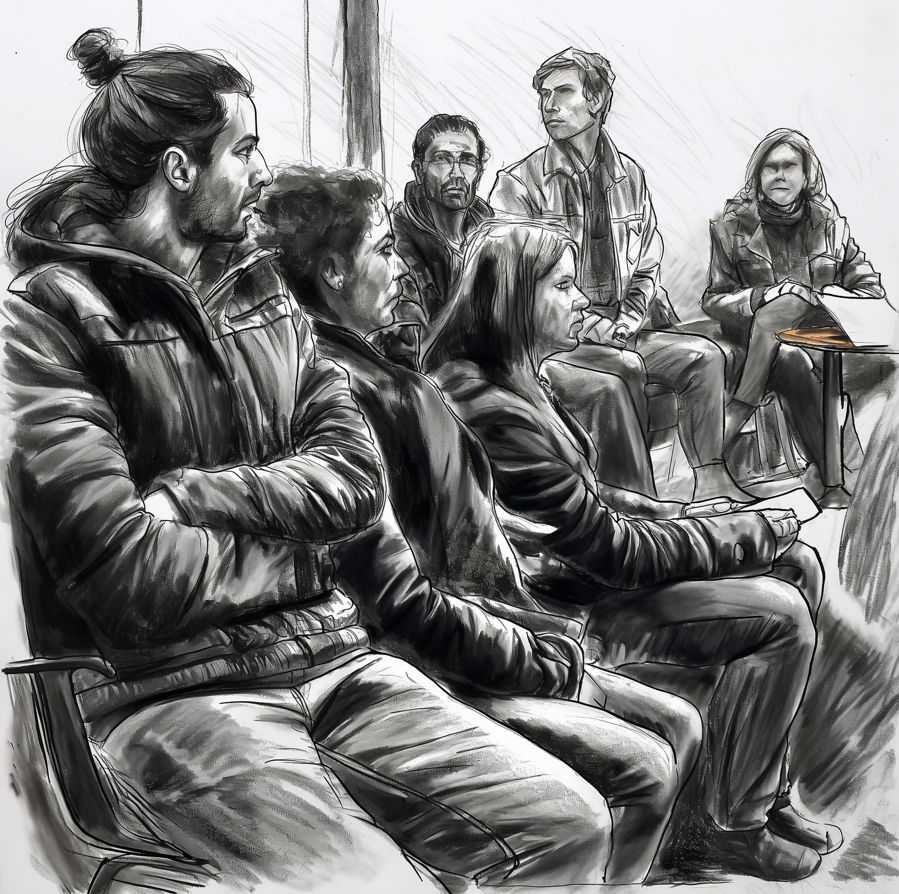
Curators are more than storytellers—they are leaders who inspire change:
- Within Communities: By highlighting local challenges and successes, curators motivate their communities to take action and actively participate in shaping research outcomes.
- Globally: They facilitate dialogue with an international audience, inviting new perspectives and collaborative solutions.
- Research and Solutions: Curators use participatory methods to engage citizens in identifying problems and co-developing solutions, turning their newsletters into platforms for collective knowledge creation.
By curating their stories with care and intention, these individuals elevate the voices of their communities, ensuring they are seen and heard on a global stage.