Communities: Partners in Storytelling and Research
At the heart of SIDINL Newsletters are the local communities that provide the everyday stories, insights, and collective action fueling this initiative. These communities are not passive participants; they actively collaborate with curators to shape the narratives and solutions presented in the newsletters. By engaging as micro-researchers, citizens play a vital role in identifying social issues and contributing to meaningful change.

How Communities Are Involved
Collaborative Storytelling:
Community members share personal narratives, insights, and experiences with the curators. This collaboration ensures that newsletters authentically reflect the collective voice of the community.
Example:
In a small town in rural Portugal, residents shared their experiences of depopulation with a curator, describing the emotional toll of watching younger generations leave and the challenges of maintaining cultural traditions. These stories became the backbone of a newsletter that also highlighted community-led efforts to attract new residents through eco-tourism.
Micro-Research for Social Issues:
Citizens are actively involved in identifying, exploring, and documenting local challenges. This participatory approach transforms them into micro-researchers who contribute to uncovering underlying social issues and potential solutions.
Example:
In a marginalized neighborhood in Budapest, Hungary, local citizens worked alongside a curator to investigate the lack of accessible childcare. They collected data through surveys and interviews, revealing the significant impact this issue had on single-parent households. These findings formed the basis of a newsletter that proposed community-driven childcare initiatives and shared successful examples from African audiences.
Data Collection and Co-Creation:
Citizens collaborate with curators to gather data through methods like:
- Community Surveys: Distributed to understand local needs, priorities, or perceptions.
- Focus Groups: Organized discussions to explore specific issues in-depth.
- Observational Research: Tracking visible changes in neighborhoods, such as infrastructure decay or environmental degradation.
Example:
In a Romanian village, farmers partnered with a curator to document the effects of climate change on crop yields. Through systematic observations and data collection over several months, they created a compelling narrative about the urgency of sustainable farming practices, which was shared with African audiences for feedback and shared solutions.
Participatory Workshops:
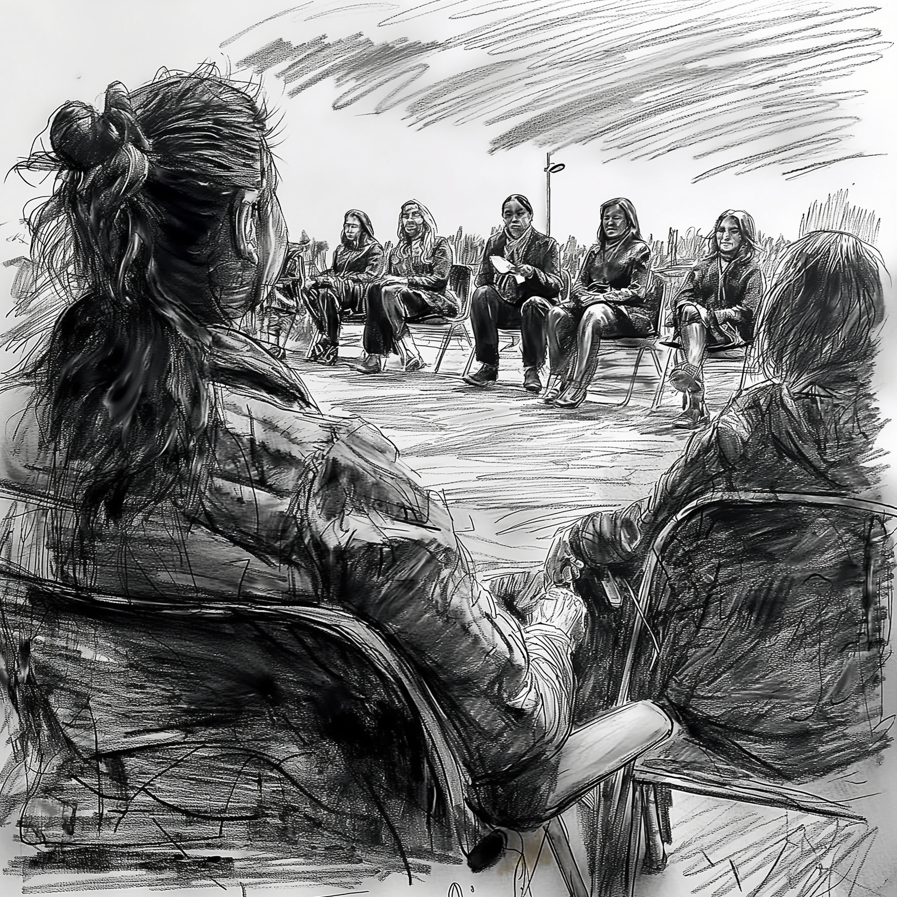
Communities are invited to brainstorming sessions where they collectively analyze the data gathered and propose solutions. These workshops foster ownership and accountability for the issues highlighted in the newsletters.
Example:
In a coastal town in Croatia affected by rising sea levels, a workshop brought together fishermen, local officials, and environmental activists. Together, they designed a citizen-led monitoring system for flood risks, which was later featured in a newsletter and adapted by other communities facing similar challenges.
The Value of Citizen Micro-Research in Social Issues
Local Expertise
Citizens have an intimate understanding of their own communities, making them invaluable contributors to research. Their insights reveal nuances and lived realities that external researchers might overlook.
Example:
In a low-income neighborhood in Sofia, Bulgaria, residents identified waste management as a key issue. Their observations of illegal dumping sites, combined with photographic evidence and interviews, provided actionable data that inspired local authorities to implement a pilot recycling program.
Empowerment and Agency
By participating in micro-research, citizens feel empowered to address their challenges. This process fosters a sense of agency and ownership, ensuring that the proposed solutions are rooted in the community’s priorities.
Example:
In a rural French village, a citizen-led initiative to map the community’s access to healthcare revealed critical gaps in medical services. This research not only fueled a compelling newsletter but also strengthened the community’s advocacy efforts with regional policymakers.
Creating Tangible Solutions
Micro-research allows communities to move beyond identifying problems to collaboratively creating and implementing solutions. This approach ensures that interventions are practical and sustainable.
Example:
In a struggling urban district in Berlin, citizen researchers worked with a curator to explore the underutilization of local parks. Their findings led to a community-driven plan to enhance green spaces, including playground renovations and the creation of community gardens, which were supported by insights from African urban planners.
The Impact of Community Involvement
Through their active participation, local communities:
Amplify Marginal Voices: Citizens ensure that their stories and perspectives are represented accurately and powerfully.
Enhance Credibility and Relevance: Their contributions make newsletters deeply rooted in real, lived experiences.
Foster Global Collaboration: By participating in the dialogue with external audiences, communities gain access to diverse perspectives and innovative solutions.
Example of Global Collaboration:
In a newsletter focused on the challenges faced by small-scale farmers in Poland, citizen researchers shared their findings with African agricultural experts. This dialogue led to the adoption of drought-resistant crop techniques that had proven successful in Kenya.
Conclusion
Through storytelling, micro-research, and collaborative problem-solving, SIDINL Newsletters elevate communities from passive subjects to active participants. By combining their knowledge with the expertise of curators and external audiences, these communities play a central role in shaping narratives and driving meaningful change.