Local Reporters
Local curators play a vital role as data reporters, acting as journalists within their communities. They bring underrepresented narratives to light by collecting data, documenting stories, and presenting them in a way that fosters understanding and action. This journalistic role gives voice to unheard topics, ensuring that the lived experiences of marginalized communities are shared with broader audiences.

The Role of Curators as Data Reporters
Documenting Local Realities:
Curators often serve as investigative reporters, diving deep into the daily lives and challenges of their own local communities.
- They capture the nuances of social, economic, and environmental issues often overlooked by mainstream media.
- Their work reflects the authentic voices of their communities, rather than external interpretations.
Uncovering Hidden Narratives:
Many of the stories told through SIDINL Newsletters focus on issues that remain invisible in public discourse. Curators act as reporters, uncovering these hidden narratives and presenting them to both local and global audiences.
Data Collection as Storytelling:
In addition to narratives, curators gather and present data to support their stories. This journalistic approach combines personal anecdotes with facts and figures to create a compelling and credible narrative.
- Data is often visualized through infographics, charts, and maps to make it accessible and engaging.
- Personal stories provide the emotional connection that data alone cannot convey.
Examples
In a rural Spanish village, a curator documented the effects of labor shortages in local olive farms. Through interviews and data collection, they highlighted how the lack of seasonal workers impacts both the local economy and the preservation of traditional farming methods.
A curator in Hungary reported on the lack of access to basic utilities in Roma settlements. By collecting data on water shortages and sharing personal accounts from residents, the curator shed light on systemic inequalities, sparking dialogue within European policy circles.
In a newsletter from Berlin, a curator shared survey results from immigrant families living in overcrowded housing conditions. This data, paired with personal stories of individuals struggling to find affordable homes, highlighted the urgent need for housing reform.
The Impact of Local Data Reporting
Giving Voice to Marginalized Communities:
By documenting local issues, curators bring attention to the struggles and resilience of marginalized populations. Their work ensures that these voices are not only heard but also valued in broader discussions.
Example:
A newsletter from a low-income urban neighborhood in France reported on the lack of mental health services for immigrant families. The curator’s work sparked a partnership with local NGOs to expand access to counseling and support groups.
Shaping Policy and Action:
The data and stories collected by curators often influence decision-makers, NGOs, and advocacy groups, leading to tangible changes.
Example:
In Poland, a curator’s report on unsafe working conditions in coal mines led to discussions with European labor organizations. This eventually resulted in increased safety regulations and funding for retraining programs.
Fostering Cross-Continental Dialogue:
By sharing their reports with African and European audiences, curators create opportunities for knowledge exchange and collaborative problem-solving.
Example:
A curator in Italy reported on the challenges of integrating refugee workers into agricultural jobs. African participants from Ethiopia shared strategies for creating inclusive hiring practices, which were later piloted by local farming cooperatives.
How Curators Gather and Present Data
Local Investigations:
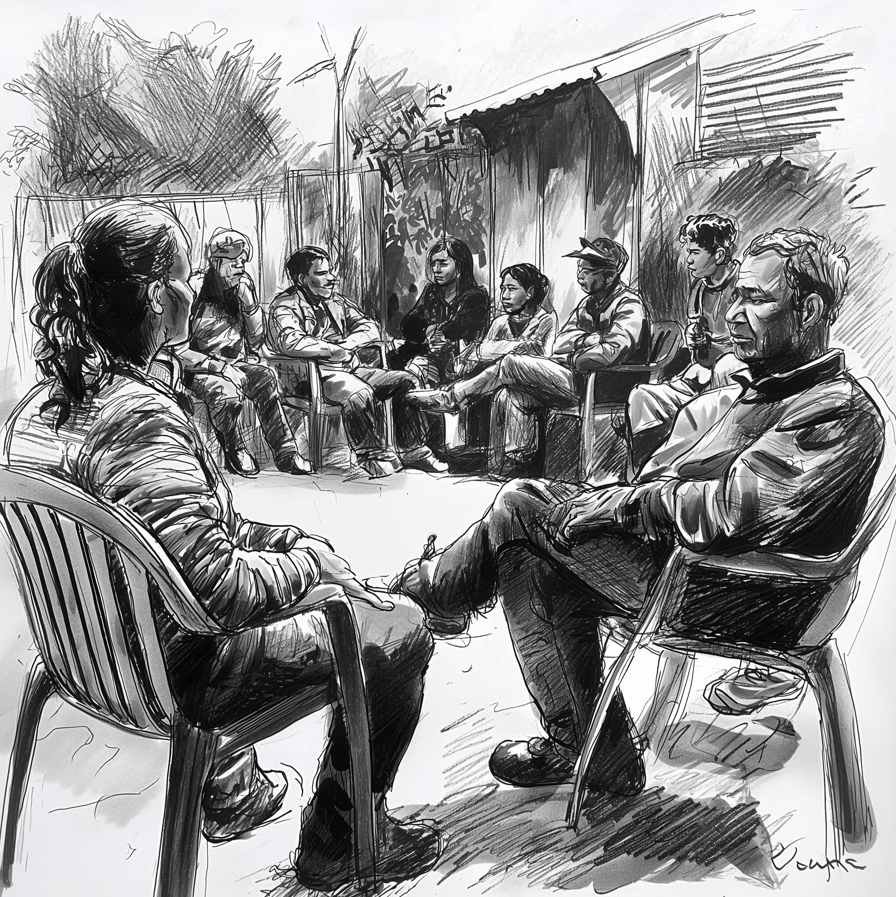
Curators conduct surveys, interviews, and focus groups to gather first-hand information about their communities. They often work in collaboration with citizen researchers to ensure a comprehensive understanding of the issues.
Example:
A curator in Romania worked with rural families to document the decline of small-scale dairy farms. By combining economic data with interviews from farmers, the curator painted a detailed picture of the factors driving this trend and its impact on local livelihoods.
Field Observations:
Curators spend time observing and documenting daily life in their communities. These observations provide rich, qualitative data that complements the quantitative aspects of their reports.
Example:
A curator in Portugal observed the effects of coastal erosion on a fishing community, documenting how changing tides and loss of land impacted local fishing practices. Their detailed notes and photos became a powerful narrative shared with global audiences.
Collaborative Reporting:
Curators often engage with community members as co-reporters, inviting them to contribute their perspectives and expertise. This collaborative approach ensures that the stories are inclusive and representative of the community’s diversity.
Example:
In Croatia, a curator collaborated with fishermen to track the decline in fish populations over five years. Together, they used this data to advocate for sustainable fishing practices and policies.
Curators as Ethical Journalists
SIDINL emphasizes the importance of ethical reporting, ensuring that:
- Stories are documented with the consent and active participation of community members.
- Data is collected and presented transparently, avoiding misrepresentation or bias.
- Narratives reflect the dignity and agency of the individuals and communities involved.
Transforming Communities Through Data Reporting
The journalistic work of SIDINL curators transforms local stories into powerful tools for advocacy, awareness, and action. By acting as data reporters, these curators bridge the gap between marginalized communities and global audiences, ensuring that the unheard voices of Europe are amplified and their issues addressed.