Data
Local curators play a pivotal role in documenting their communities’ lived experiences. They combine rigorous data collection with authentic storytelling to ensure their newsletters reflect the complexity and richness of local realities. Here’s a closer look at their process:
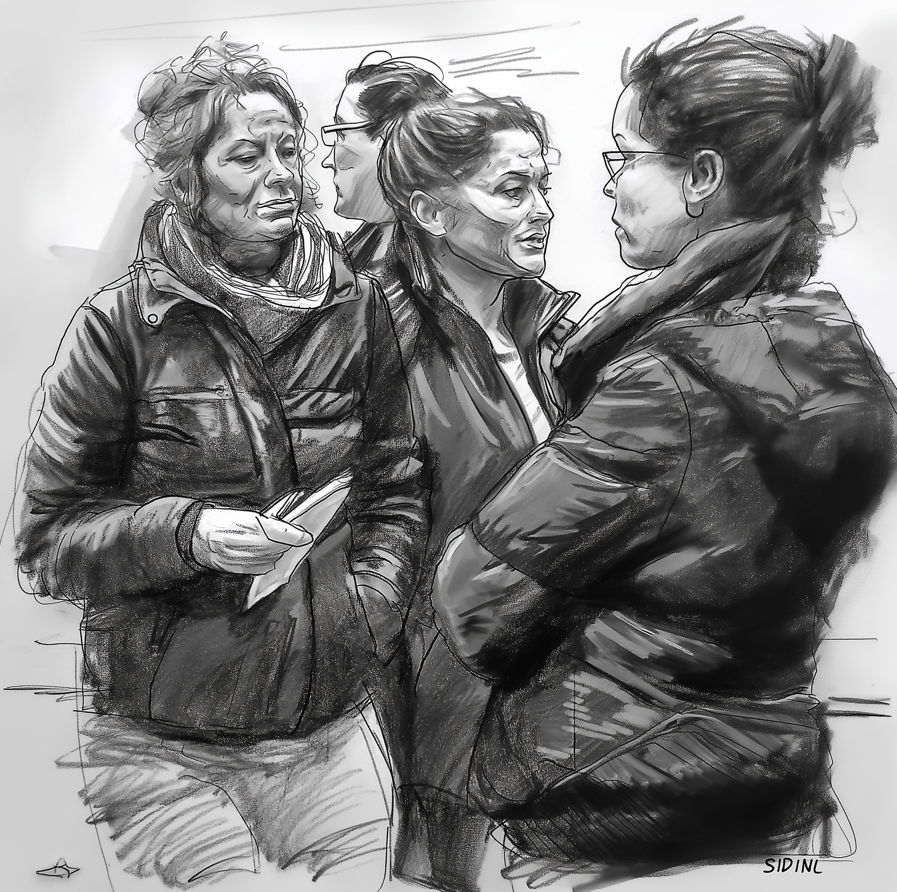
Collecting Data
Immersive and Participatory Approach
Local curators employ a range of methods to gather information, ensuring their narratives are both accurate and deeply connected to the community.
Immersion in Community Life:
- Curators live within the communities they document, allowing them to observe day-to-day activities and identify pressing issues.
- They build relationships of trust, encouraging open dialogue and gaining access to authentic stories.
Participatory Methods:
- Interviews and Conversations: Curators conduct informal and structured interviews with community members, listening to their personal experiences, concerns, and aspirations.
- Community Workshops: They host gatherings where residents can share stories, brainstorm solutions, or discuss specific challenges.
- Story Circles: These smaller, intimate groups allow participants to share narratives in their own words, fostering inclusivity and authenticity.
Observational Data:
- Curators document local events, cultural traditions, and everyday occurrences, capturing the nuanced rhythms of their communities.
- They note changes in physical and social landscapes, such as environmental degradation or shifts in community dynamics.
Leveraging Technology:
- Mobile devices and recording tools are used to capture photographs, videos, and audio that complement written stories.
- Digital surveys and community feedback platforms are occasionally employed for broader data collection.
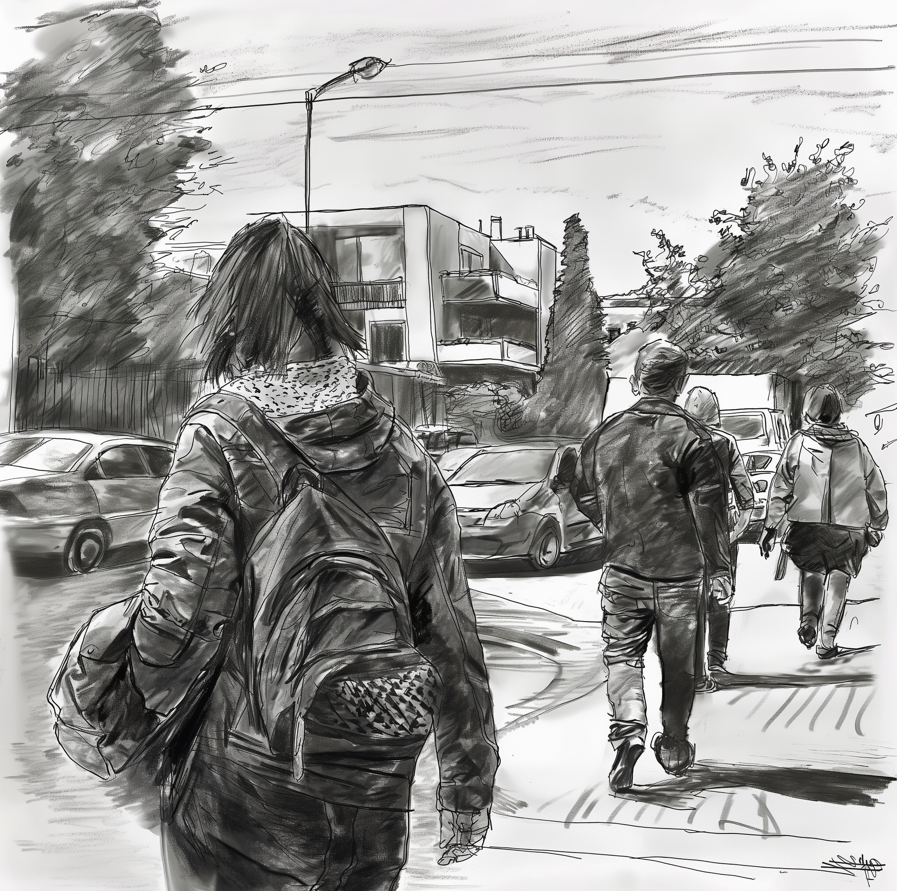
Presenting Storytelling
Once the data is collected, curators transform it into compelling stories that resonate with both their local communities and their external (African) audiences.
Narrative Structure:
Curators weave their stories around a clear structure to ensure accessibility and impact:
- Introduction: Sets the context, introducing the community, issue, or event being highlighted.
- Core Story: Focuses on the personal experiences or collective efforts of individuals or groups, using vivid, emotional details.
- Call to Action: Often ends with reflections, questions, or proposed solutions to invite engagement from the audience.
Localized Perspective:
- The storytelling is deeply rooted in the local context, highlighting unique cultural, social, and environmental aspects.
- Curators avoid generic narratives, instead focusing on specific individuals or small groups to humanize broader issues.
Visual Storytelling:
- Photographs and Videos: Curators include visuals to provide an immersive experience for the audience, showcasing community life, local landscapes, and key moments.
- Infographics: Simplified visuals are used to present data such as population trends, resource challenges, or environmental changes.
Authentic Voice:
- Stories are told in the voices of the community members themselves, ensuring that their perspectives remain central.
- Curators act as facilitators, guiding the storytelling process without overshadowing the contributors.
Multilingual Accessibility:
- Stories are often presented in multiple languages (local, national, or English) to ensure accessibility for both community members and external audiences.
Bridging Local and Global:
- Curators frame their narratives to draw parallels between local and global issues, fostering connections with their African audience.
- For instance, a story about water scarcity in Spain may reference similar challenges in African communities, creating opportunities for shared learning and solutions.
Impact of the Curator's Approach
This meticulous process of data collection, storytelling, and direct audience engagement by local curators transforms SIDINL Newsletters into powerful micro-diaries that amplify marginalized voices and connect local European stories to a global audience.
Empowering Communities:
The participatory nature of data collection ensures community members feel valued and represented in the storytelling process.
Preserving Authenticity:
The detailed, localized approach ensures that stories remain truthful, impactful, and representative of the community’s lived reality.
Fostering Dialogue with Direct Interaction:
By crafting relatable and emotionally engaging narratives, curators spark meaningful dialogue with African audiences, inviting insights and advice. African audiences not only read the stories but actively participate in discussions, directly connecting with curators and community members to deepen understanding and co-create solutions. The external audience of each SIDINL Newsletter can directly engage with the curators and community members via the private online discussion groups. This real-time interaction fosters meaningful dialogue, enabling the audience to ask questions, share feedback, and offer insights or solutions.