From Margins to Dialogue
One of the core strengths of SIDINL Newsletters – Europe is the way they create dynamic, two-way exchanges between marginalized European communities and their tailor-made (African) audiences. These newsletters are not just stories; they are catalysts for dialogue, inviting audience members to directly engage with curators and the communities they represent.
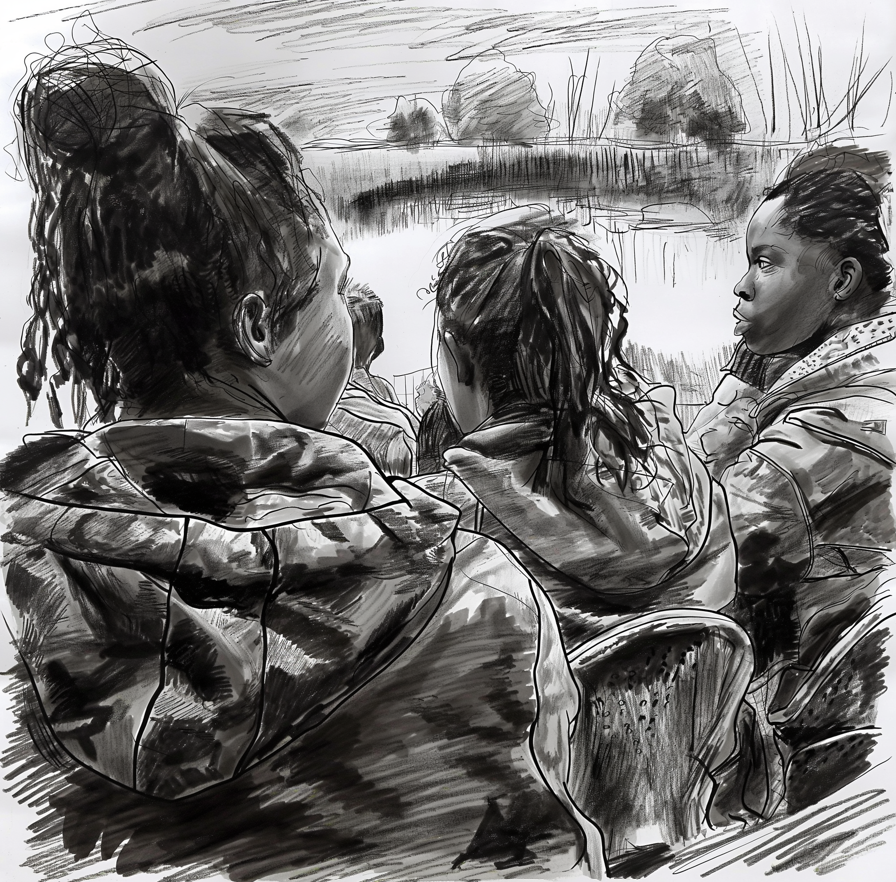
Immigrant Stories
Newsletter Example: Hamburg Somali Women’s Collective
- Story: A Somali women’s group in Hamburg documented their struggles with finding culturally sensitive healthcare services.
- Audience Engagement: African health professionals from Nairobi directly engaged with the curators during a live discussion, sharing strategies they had used to establish community-led health clinics in Kenya. The Somali women were inspired to replicate this model by organizing workshops in collaboration with local health providers.
- Result: A follow-up session showed how the group successfully implemented a mentorship program involving African diaspora healthcare professionals in Germany, fostering collaboration and cultural sensitivity in the healthcare system.
Rural Revival: Learning from African Community Models
Newsletter Example: Calabria’s Revitalized Villages
- Story: A small town in Calabria, Italy, shared its story of revitalization by inviting refugees to repopulate their abandoned homes and start small businesses. The newsletter detailed their successes and the tensions that arose between the newcomers and the local population.
- Audience Engagement: African curators from Rwanda, experienced in post-conflict reconciliation and community integration, facilitated a dialogue. They shared practical methods for fostering empathy and understanding between diverse groups, including community storytelling events and shared cultural activities.
- Result: The Italian community hosted a festival inspired by these ideas, combining African and Italian traditions, which improved relationships between locals and refugees.
Urban Marginalization: Collective Activism Across Borders
Newsletter Example: East London Housing Struggles
- Story: A curator from East London highlighted how gentrification had displaced long-term residents, forcing families to move into overcrowded, unsafe housing.
- Audience Engagement: African community activists from Cape Town, where similar issues exist, joined the discussion. They introduced their model of community-led housing co-operatives, where residents pool resources to secure affordable housing.
- Result: Members of the East London community group began collaborating with their African counterparts, holding regular online meetings to adapt the co-operative model to their local context.
Cultural and Linguistic Preservation: Mutual Learning
Newsletter Example: Gaelic Revitalization in Scotland
- Story: A Scottish curator shared stories of how a small Highland village was fighting to keep the Gaelic language alive through community classes and local media.
- Audience Engagement: A Senegalese audience, familiar with efforts to preserve Wolof and other indigenous languages, actively engaged with the curator. They shared their experience of using radio programs and social media to reach younger generations.
- Result: Inspired by the African audience, the Scottish community launched a Gaelic podcast series featuring interviews with elders and youth, making their language revival efforts more accessible and modernized.
Trauma and Mental Health: Sharing Stories, Sharing Solutions
Newsletter Example: Refugee Youth in Athens
- Story: A group of Afghan refugee teenagers in Athens shared stories of trauma from displacement and their struggles with anxiety and isolation. The newsletter described their attempts to cope through art and storytelling workshops.
- Audience Engagement: Psychologists from Uganda, who had experience with trauma counseling in post-conflict regions, joined the discussion group. They recommended specific practices, such as peer-support groups and expressive arts therapy.
- Result: The Afghan youth group expanded their art workshops into a peer-led initiative, inviting other refugee youth in Athens to participate. A member of the African audience later visited Athens to facilitate a workshop, further strengthening the collaboration.
Environmental Justice: Lessons in Sustainability
Newsletter Example: Coal Mining Transition in Poland
- Story: A newsletter from Silesia, Poland, highlighted the struggles of coal-mining communities facing economic and environmental challenges as the region transitions away from coal. The story focused on rising unemployment, toxic waste sites, and local resistance to renewable energy projects due to fears of economic loss.
- Audience Engagement: African curators from South Africa’s Mpumalanga region, who have navigated similar challenges with coal mining transitions, engaged directly with the Polish community. They shared how their communities worked to diversify local economies, including retraining miners for green energy jobs and repurposing abandoned mining sites for agriculture or tourism.
- Result: Inspired by these exchanges, the Polish community began exploring collaborative solutions. Curators facilitated a series of virtual meetings between Silesian coal workers and African participants, leading to the creation of a pilot program in Silesia focused on retraining miners for solar panel installation and other renewable energy jobs.
- Additionally, the African audience’s suggestions for community-led environmental monitoring led to the establishment of a local task force in Silesia to oversee reclamation of toxic mining sites.
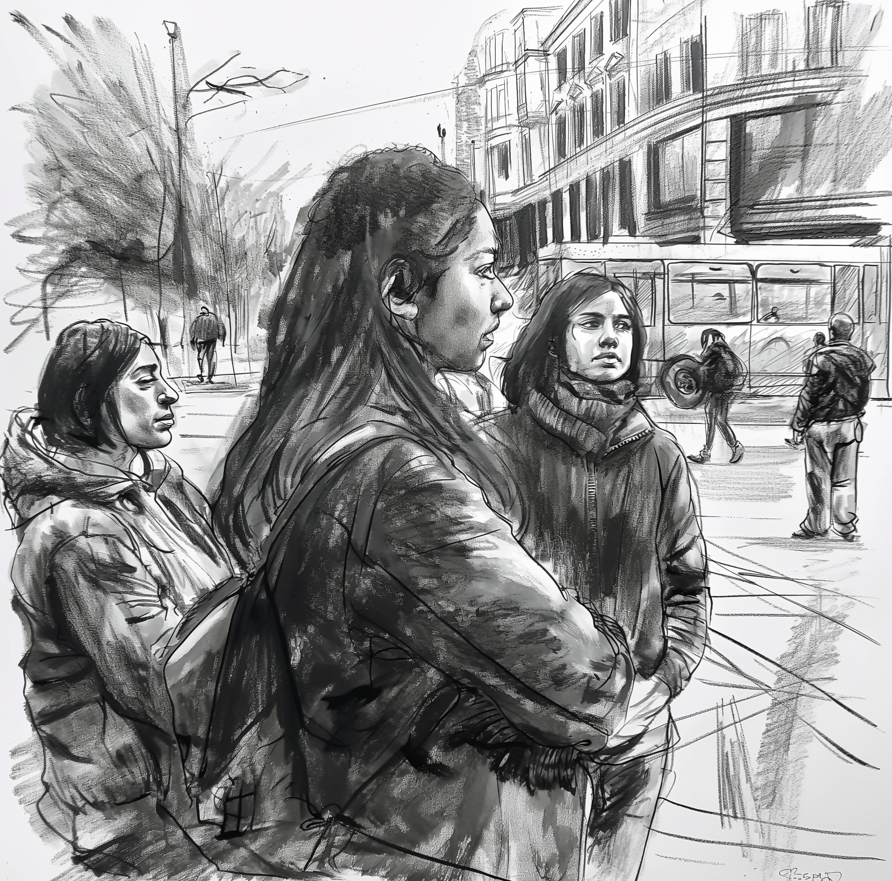
Fostering Real-Time Interaction
In every case, SIDINL Newsletters go beyond storytelling by fostering direct dialogue:
- Private Discussion Groups: Audiences are encouraged to ask questions, provide insights, and suggest actionable solutions in curated online spaces.
- Live Sessions: Some curators host real-time video calls or webinars where community members interact with African audiences, strengthening the sense of global solidarity.
- In-Person Exchanges: Occasionally, members of the audience visit the communities featured in the newsletters, deepening their engagement and fostering mutual understanding.
Shifting Power Dynamics: A Balanced Exchange
The adaptation of SIDINL Newsletters for European contexts represents a significant shift in global storytelling dynamics. Traditionally, African societies have been positioned as recipients of Western knowledge, solutions, and attention. With the introduction of the inversion strategy, this paradigm has been recalibrated:
European Societies as the Focus:
European communities, particularly marginalized ones, are now at the center of attention. Their stories—once underrepresented—are being amplified and shared with African audiences. This shift allows Europe’s overlooked voices to be heard and valued on an international stage.
Reciprocal Learning:
African audiences, experienced in navigating complex challenges, actively contribute to European discussions. By offering advice, sharing solutions, and engaging in dialogue, they become equal partners in addressing shared issues, such as environmental sustainability, social cohesion, and economic adaptation.
Empowered Storytelling:
European curators take the lead in presenting their local realities, creating a platform that emphasizes equality and mutual respect. This balanced exchange underscores SIDINL’s commitment to deconstructing traditional power hierarchies between Africa and Europe.
Through this transformation, SIDINL Newsletters – Europe fosters an equitable relationship, where both continents learn from and support one another in addressing local and global challenges.