Trauma Groups
One of the most effective and impactful dimensions of SIDINL Newsletters – Europe is its role as a platform for mental health support. Functioning as safe, online spaces for private dialogue, these newsletters serve as trauma groups where individuals can share their personal stories and begin the healing process. While rooted in European communities, these trauma groups also foster cross-continental dialogue with African participants, enabling shared understanding and collective growth.
Mental Health Spaces
SIDINL Newsletters – Europe provides marginalized and vulnerable populations with a unique opportunity to articulate and process their trauma. These newsletters act as:
Personal Diaries for Trauma Narratives: Participants share deeply personal accounts of their mental health struggles, exploring the effects of displacement, discrimination, and systemic exclusion.
Private Spaces for Healing: Discussions occur in confidential, moderated groups, ensuring trust and safety for all participants.
Bridges Across Continents: European trauma groups engage with African participants, creating a dialogue that highlights shared experiences while offering culturally diverse coping strategies.
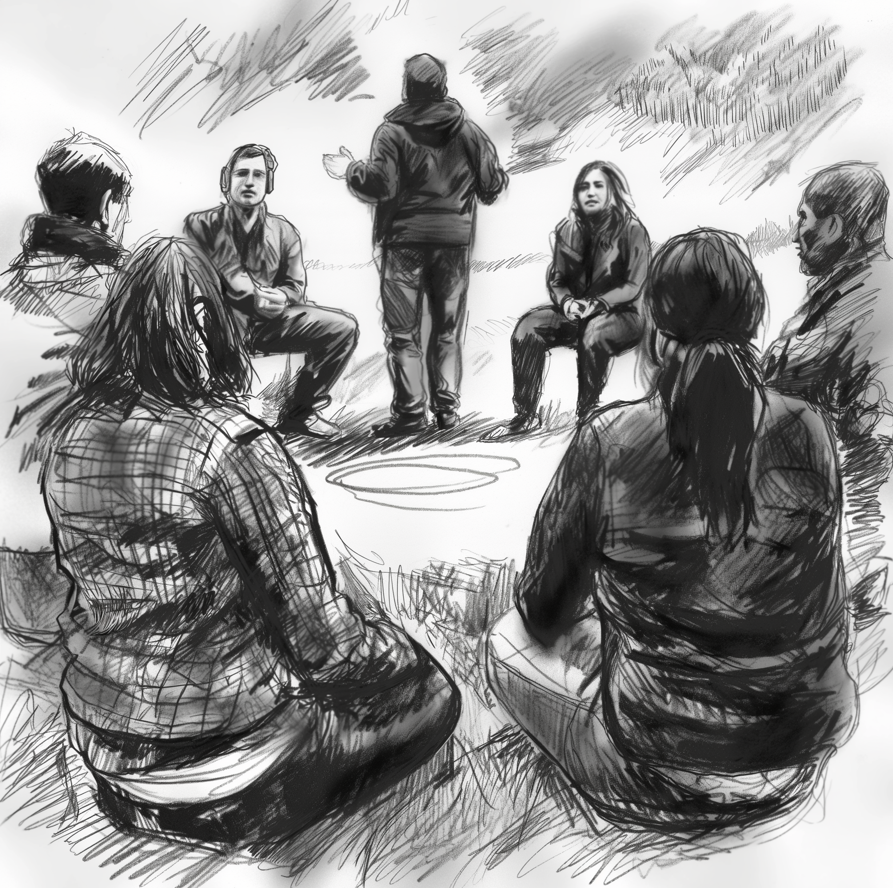
Example:
A curator in Paris, a licensed psychotherapist, leads a trauma-focused newsletter for North African refugee women. The participants share stories of displacement, dislocation, and rebuilding lives in a foreign country. African mental health professionals participate in the discussions, offering insights and culturally specific coping strategies.
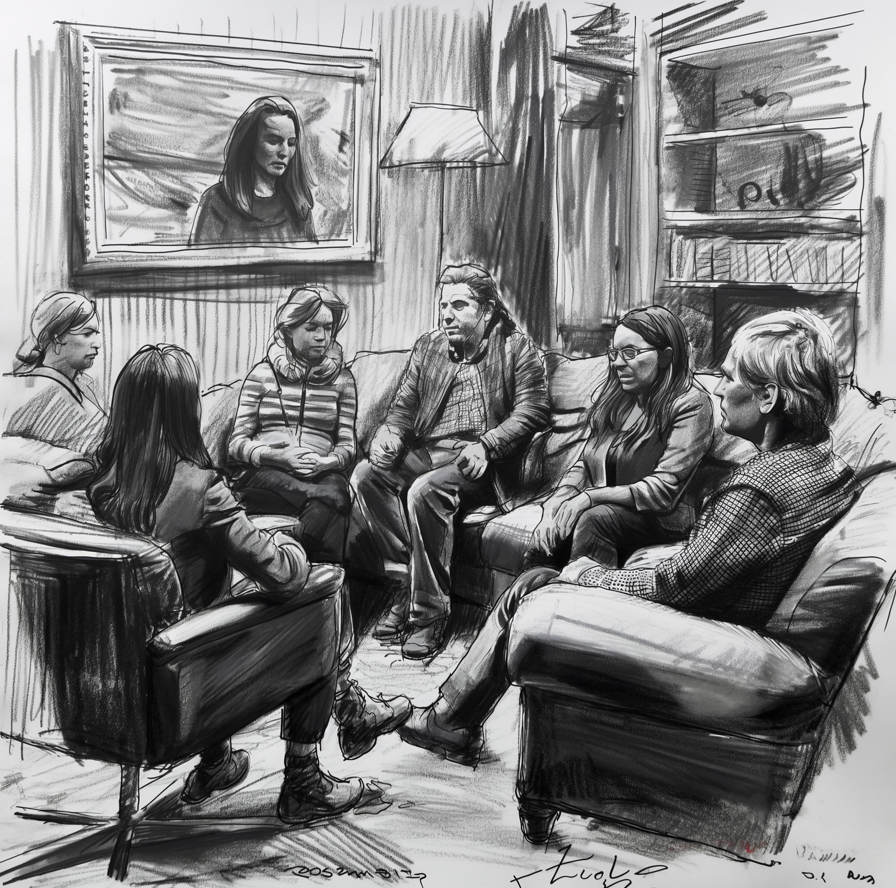
Who Leads These Trauma Groups?
In Europe, curators for trauma-focused SIDINL Newsletters are often trained mental health professionals, such as:
Social Workers: Experienced in addressing the challenges of marginalized populations.
Psychotherapists: Skilled in guiding therapeutic conversations and fostering emotional well-being.
Trauma Counselors: Specialized in supporting survivors of violence, displacement, or systemic injustice.
These curators not only facilitate dialogue but also provide professional oversight to ensure that the storytelling process remains therapeutic and constructive.
Example:
A newsletter in Berlin, led by a licensed psychotherapist, focuses on the experiences of Syrian refugees dealing with trauma from displacement and war. The curator works with participants to share their stories while offering structured group exercises to promote resilience and recovery.
How Trauma Groups Work in European SIDINL Newsletters
Facilitating Safe Storytelling
Curators guide participants to share their experiences in a way that fosters self-reflection and healing.
Narratives often focus on the intersection of personal trauma and systemic issues, such as racism, poverty, or housing insecurity.
Example:
In Paris, a curator working with immigrant women created a newsletter highlighting their struggles with domestic violence. By sharing their stories, participants not only found emotional support but also inspired community initiatives to address the issue.
Engaging Communities as Participants
These groups involve individuals who have directly experienced trauma, ensuring the narratives are authentic and meaningful.
Participants often connect with others who have faced similar challenges, fostering empathy and solidarity.
Example:
In a rural Hungarian town, Roma families participated in a trauma group focusing on generational poverty and systemic discrimination. Their stories were shared with African participants, who provided feedback and strategies based on similar experiences.
Cross-Continental Collaboration
Trauma groups in Europe often include African professionals and participants who contribute insights from their own experiences.
This cross-continental dialogue enriches the healing process, offering diverse perspectives on coping mechanisms and systemic solutions.
Example:
A newsletter from Athens focused on the mental health struggles of Afghan refugee youth connected with African trauma counselors from Rwanda. These counselors shared techniques from post-conflict recovery programs, which the youth group adapted for their art therapy sessions.
The Value of Trauma Groups in SIDINL Europe
Supporting Marginalized Populations:
Trauma groups specifically address the needs of Europe’s most vulnerable communities, such as immigrants, refugees, and marginalized rural populations.
Professional Moderation:
The involvement of trained curators ensures that the dialogue remains therapeutic and prevents retraumatization.
Creating Private, Safe Spaces:
Confidentiality and trust are at the core of SIDINL’s trauma groups, allowing participants to share openly without fear of judgment.
Fostering Inter-Continental Understanding:
By connecting with African audiences, European participants gain new perspectives and coping strategies, creating a unique dynamic of shared growth.
Sustainable Engagement:
Participants often engage with the groups over long periods, creating strong support networks that persist beyond individual newsletters.
Examples:
A trauma group in Poland focused on coal miners struggling with mental health challenges after losing their jobs due to industry transitions. African participants from South Africa’s mining communities provided insights into how support groups and vocational training programs helped mitigate similar struggles, sparking the development of similar initiatives in Poland.
A trauma group focusing on mental health challenges among Syrian refugees in Germany connected with African conflict survivors in Rwanda. The group’s long-term discussions led to the creation of a multilingual online resource for trauma recovery, benefiting participants on both continents.
Transforming Trauma into Healing
Through its trauma-focused newsletters, SIDINL demonstrates the power of storytelling as a tool for mental health support. By connecting vulnerable populations across Europe and Africa, these groups transform personal trauma into collective healing and empower individuals to reclaim their narratives in safe, supportive spaces.